Free Slovak Language Courses and Learning Resources: A Foreigner’s Guide to Learning Slovak in Slovakia

Learning Slovak felt intimidating when I first arrived in Slovakia. The grammar, the sounds, and the unfamiliar letters made every official letter and notice look like a puzzle. Yet I soon discovered that the country offers many accessible and genuinely free options to learn Slovak — from structured government-supported courses to community conversation groups and high-quality online lessons.
This article collects the best free Slovak language courses and learning resources, explains how to access them, and shares practical tips from living here as a foreigner.
🌍 Why Free Slovak Language Courses Matter
Even basic Slovak changes daily life. It helps with simple things like:
- understanding official emails and letters
- talking with your child’s teacher
- shopping and using local services
- dealing with healthcare and the foreign police
Most Slovaks appreciate any effort to speak their language. A short sentence in Slovak opens doors and makes interactions smoother.
🏫 Where to Find Free Slovak Language Courses and Programs
Not every free course is the same. Some focus on survival phrases; others aim for full Czech/Slovak literacy. Below are the most reliable and widely available options.
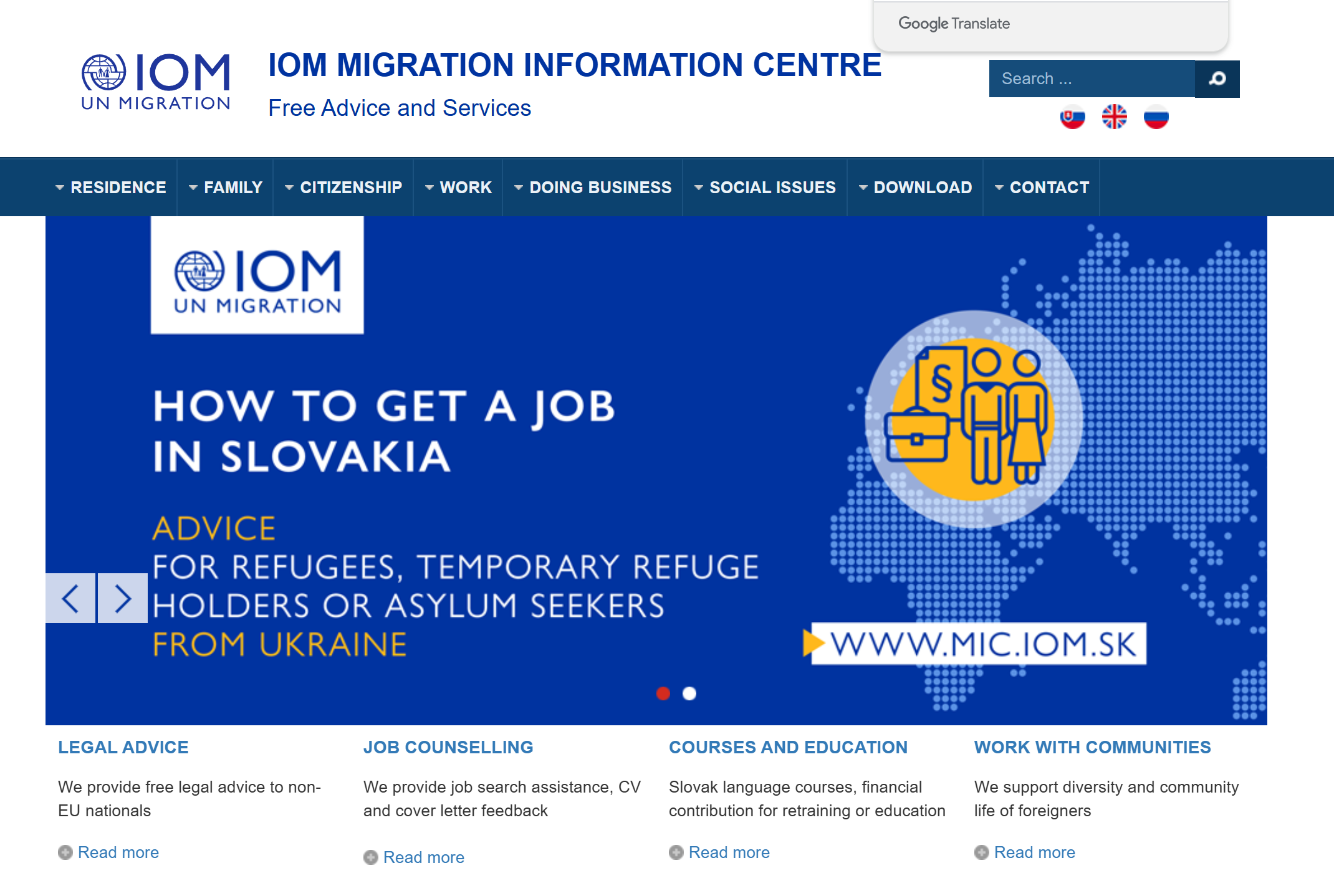
IOM Migration Information Centre (MIC)
The IOM Migration Information Centre runs free Slovak courses and integration programs in several cities. They offer beginner and intermediate classes, both online and in person, often with practical, everyday vocabulary and civic information.
How to access: check the MIC website for current enrollment dates and course locations.
Website: https://www.mic.iom.sk
Municipal and Regional Integration Programs
Many city councils and cultural centers run courses for newcomers. These programs vary by town and are frequently free or heavily subsidized.
Where to look:
- municipal websites (search your city name + “slovenčina pre cudzincov”)
- community or cultural centers
- local social services offices
Example: Bratislava’s municipal pages and local district centers regularly post integration offerings.
NGOs, Community Centers, and Conversation Cafés
Non-governmental organizations play a big role. They organize conversation groups, short courses, and family-oriented activities that include language support.
Notable example: Mareena, an NGO active in several regions, runs language cafés and integration activities for foreigners.
Website: https://mareena.sk
These community spaces are perfect for practical conversation practice and for meeting people.
Labour Office (Úrad práce) and Employment-Linked Courses
If you are registered with the Labour Office or in specific work-related programs, you may qualify for free Slovak lessons focused on workplace communication and administrative language.
Check eligibility and program availability at your local Labour Office.
💻 Free Online Slovak Learning Resources
Besides in-person classes, there are excellent online resources you can use alongside courses.
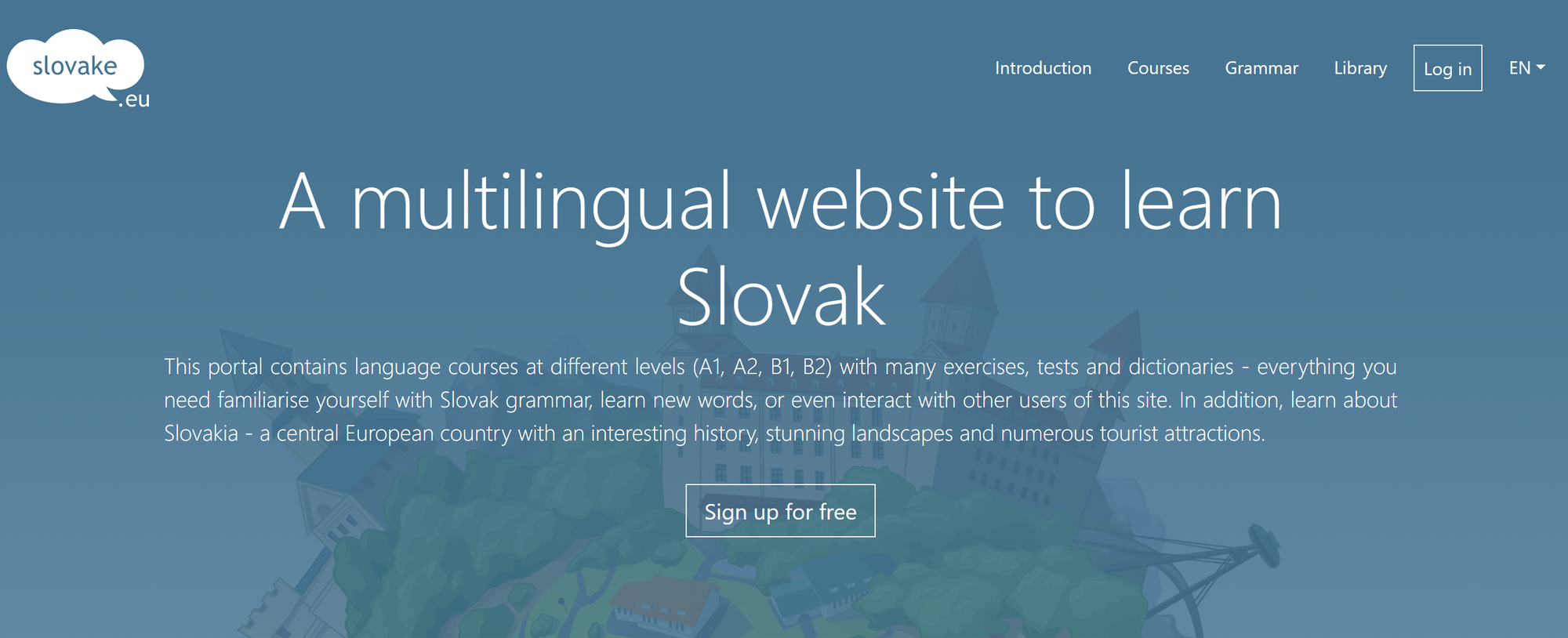
Slovake.eu — Structured Online Course
Slovake.eu provides a comprehensive, self-paced Slovak course. It includes interactive exercises, audio recordings, grammar guides, and practical dialogues.
Website: https://slovake.eu
This platform is particularly helpful if you prefer a structured online curriculum.
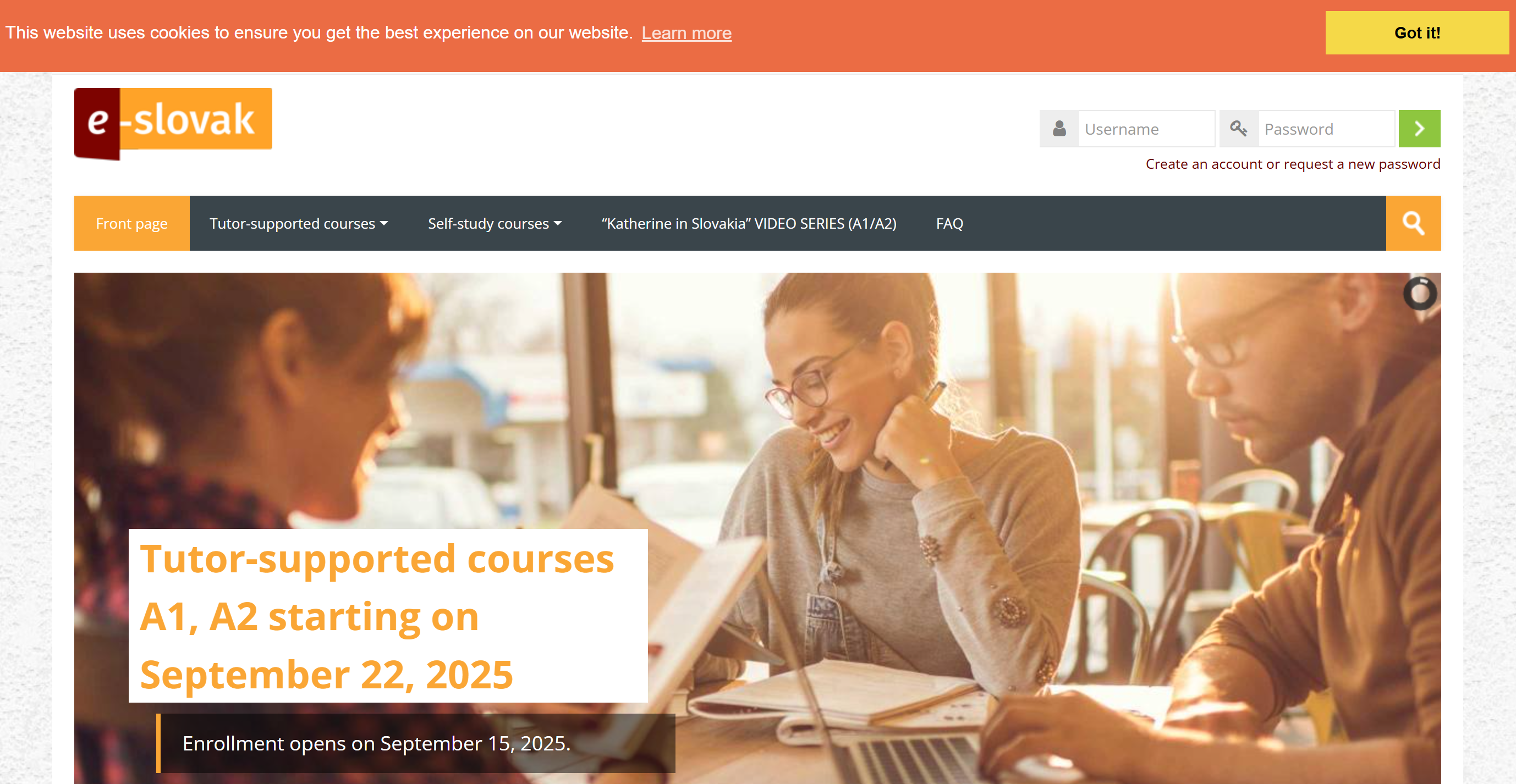
e‑slovak (Studia Academica Slovaca) — Self-Study Modules
The e-slovak portal offers free self-study modules for beginners (A1–A2). It’s a reliable academic resource with clear lessons and exercises.
Website: https://www.e-slovak.sk
YouTube Channels and Podcasts
There are several YouTube channels and podcasts teaching Slovak basics and pronunciation. Search terms like “Learn Slovak” or “Slovenčina pre začiatočníkov” will surface useful video lessons.
These are great for listening practice and pronunciation drills.
Flashcards and Spaced-Repetition Tools
Use Anki or Memrise decks for vocabulary practice. There are freely shared decks titled “Slovak basics” or “Slovak phrases” that help you memorize numbers, food words, and common verbs.
📝 What Actually Helped Me: Practical Learning Strategies
From my own experience, a mix of formal classes and tiny daily habits made the difference.
1. Learn phrases you need every day
Start with:
- Dobrý deň – Hello
- Prosím – Please
- Ďakujem – Thank you
- Koľko to stojí? – How much is it?
These small wins build confidence quickly.
2. Focus on comprehension first
Don’t worry about all the grammar cases at the start. Prioritize understanding and being understood.
3. Use conversation cafés and local meet-ups
These are low-pressure places to practice speaking and listening.
4. Practice in short bursts
Five minutes of flashcards while commuting adds up.
5. Keep a small phrasebook or note on your phone
Record useful phrases you encounter in daily life.
⚠️ Common Challenges and How to Overcome Them
Pronunciation
Slovak sounds like “ľ”, “ň”, and soft consonants. The trick is listening and repeating.
Formal Administrative Language
Official letters often use formal vocabulary. If you don’t understand, ask a Slovak friend or a volunteer to explain the gist rather than translate word-for-word.
Motivation and Plateaus
Progress can feel slow. Celebrate small achievements, like ordering a coffee in Slovak or understanding a short announcement.
💡 Practical Tips for Using Free Courses Effectively
- Register early: Popular free courses fill up quickly.
- Be consistent: Regular attendance beats sporadic long sessions.
- Mix methods: Combine an in-person course with online exercises and conversation practice.
- Ask about certificates: Some programs provide attendance confirmation useful for job applications.
- Network: Use classes to meet local volunteers and language partners.
🎯 Final Takeaway
Learning Slovak is absolutely possible — and often free. Public institutions, NGOs, and quality online platforms provide practical lessons that help you integrate into everyday life. Start with the phrases you need, sign up for a free course, and use small daily practices to build momentum.


