How to Find a Reliable Accountant in Slovakia for Your Business or Taxes


If you’ve decided to start a business or work as a freelancer in Slovakia, you’ve likely realized two things very quickly: the coffee is great, and the bureaucracy is... intense.
Slovakia’s tax code changes frequently, and the paperwork can feel like a labyrinth if you don't speak the language fluently. Whether you are a "Živnostník" (sole trader) or running an "S.R.O." (limited liability company), finding a reliable accountant in Slovakia isn't just a luxury—it’s a survival tactic.
After several years of navigating Slovak tax returns and VAT filings, I’ve learned that a good accountant is the difference between a thriving business and a mailbox full of "yellow letters" from the Tax Office. Here’s how to find the right partner for your finances.
Why You Can’t (and Shouldn't) Do It Yourself
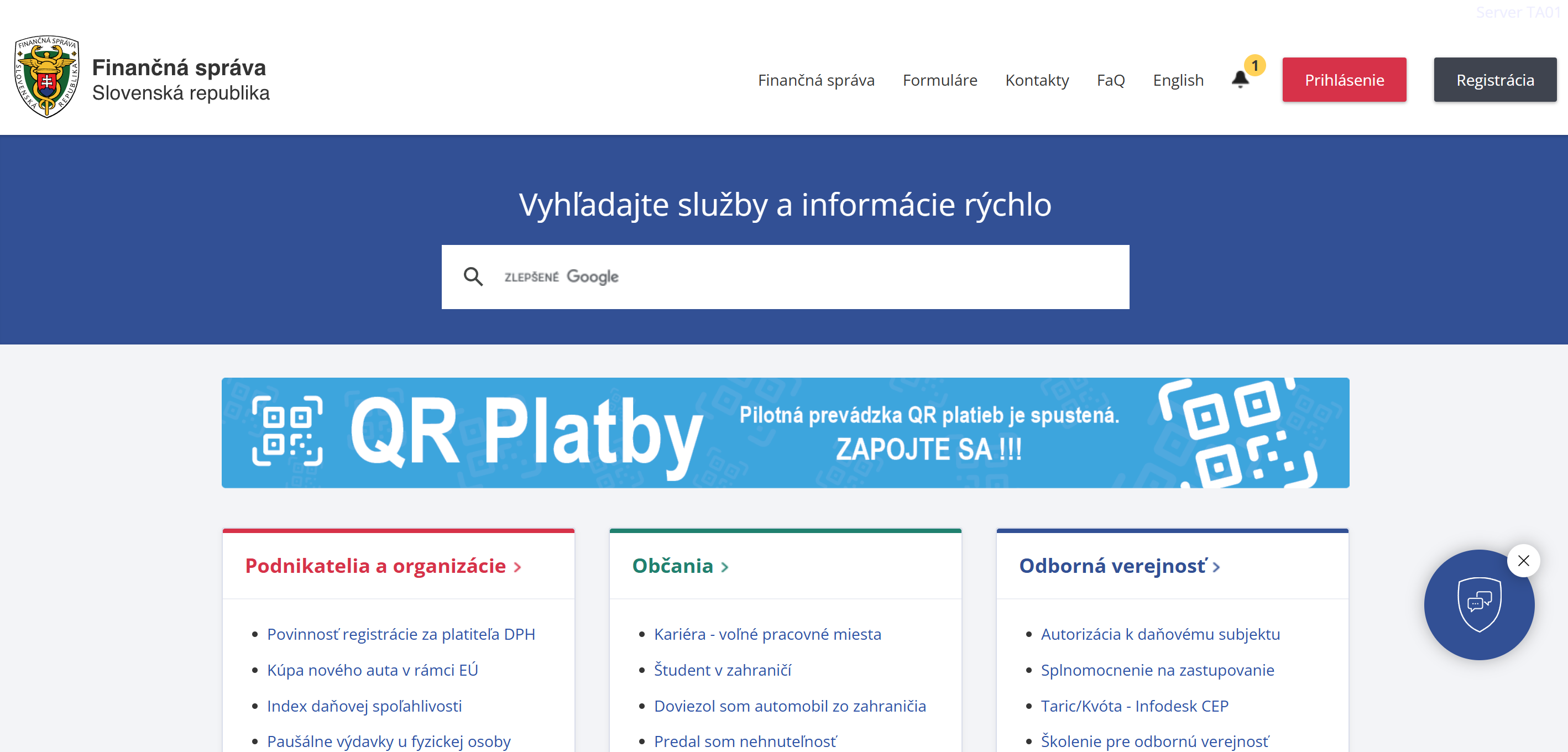
Back home, you might have used a simple app to file your taxes. In Slovakia, the system is heavily formalized. Everything goes through the Finančná správa (Financial Administration) portal, which requires an electronic ID card (eID) and specific software that isn't always user-friendly for non-Slovaks.
More importantly, Slovak tax laws are updated almost every year. A reliable accountant in Slovakia does more than just "crunch numbers"; they act as your translator for the law. They ensure you’re taking advantage of "paušálne výdavky" (flat-rate expenses) if you're a freelancer, or properly managing your social and health insurance contributions, which are calculated based on your previous year's income.
What Kind of Accountant Do You Need?
Not all accountants are created equal. Depending on your business size, you generally have three options:
1. The Freelance Bookkeeper (Účtovník)
Best for sole traders (živnostníci) with simple invoices. They usually charge a flat fee per year (for a single tax return) or a small monthly retainer.
- Pros: Affordable, personal.
- Cons: Might not speak English fluently; might not have liability insurance if they make a mistake.
2. The Accounting Firm (Účtovná firma)
Best for small to medium S.R.O.s. These firms have teams that handle payroll, VAT (DPH), and corporate tax.
- Pros: Usually have English-speaking staff; consistent availability; better knowledge of complex VAT rules.
- Cons: More expensive; you might be "just another client."
3. The Tax Advisor (Daňový poradca)
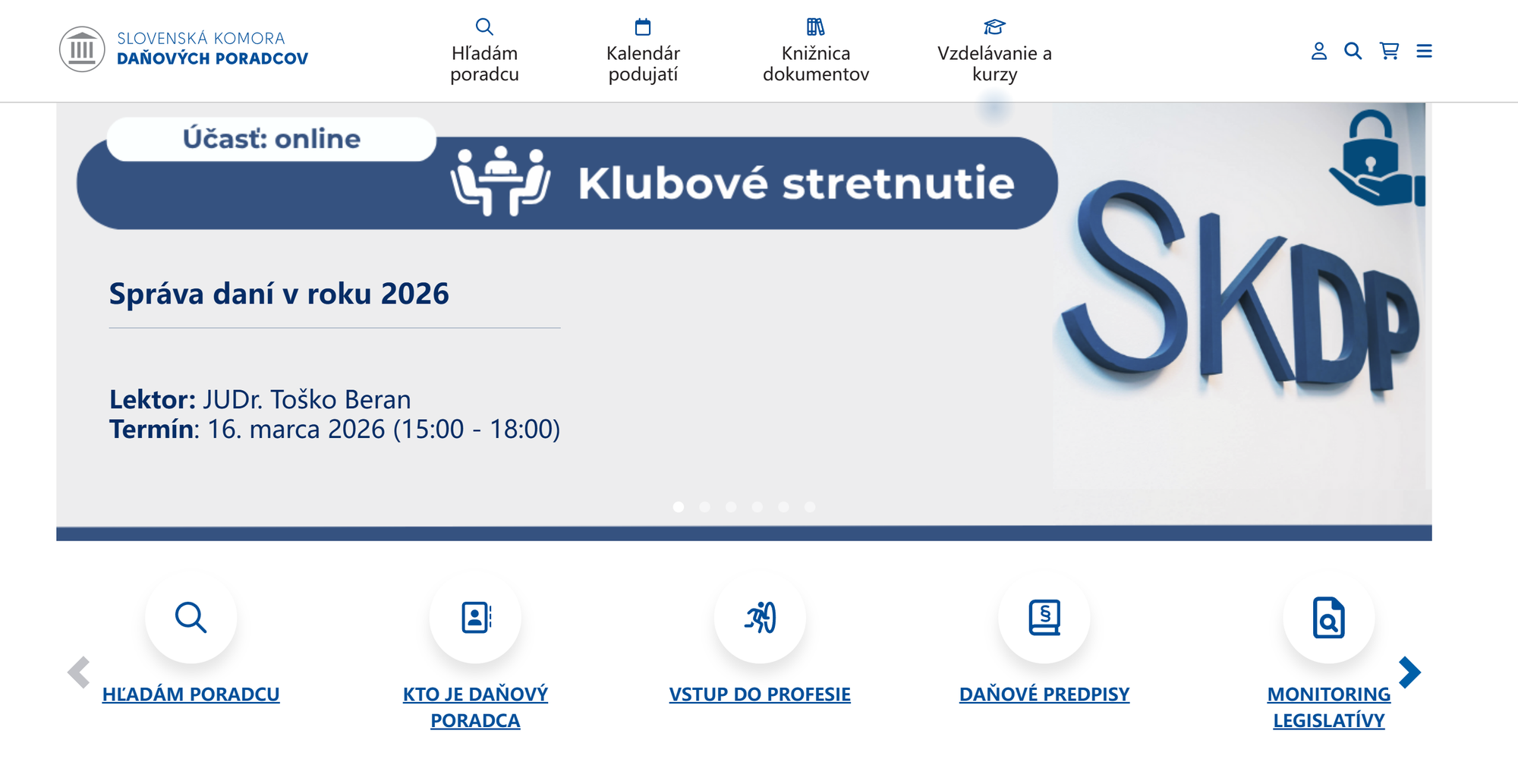
In Slovakia, there is a legal distinction between an accountant and a tax advisor. A tax advisor is a member of theSlovak Chamber of Tax Advisors (SKDP).
- When to use them: If you have complex cross-border income, investments, or need an official legal opinion on a tax strategy.
Key Questions to Ask Before Hiring
When you’re interviewing a potential reliable accountant in Slovakia, don't just ask about the price. Ask about their process:
- "Do you communicate in English?" (This sounds obvious, but you need to know if they can explain why you owe money, not just how much).
- "Are you comfortable with the 'Electronic ID' system?" (Most are, but ensure they can handle the filings via the government portal on your behalf).
- "Do you have professional indemnity insurance?" (This is crucial. If they make a mistake that leads to a fine from the tax office, their insurance should cover it).
- "How do you handle documentation?" (Do you need to bring them physical papers, or do they use cloud tools likeSuperFaktúraor Google Drive?)
Where to Look for Help
If you’re starting from scratch, here are the most reliable ways to find a pro:
- Expat Communities: Groups like "Expats in Bratislava" on Facebook are goldmines for recommendations. Look for names that keep popping up for being "English-friendly."
- The SKDP Directory: If you need high-level advice, search theSKDP Member List. You can filter by language and city.
- Co-working Hubs: Places like Campus or HubHub in Bratislava often have "preferred partners" or members who specialize in expat accounting.
- Specialized Expat Services: Firms likeAccaceorVGDare large international players that handle many foreigners, though they come with a higher price tag.
Red Flags to Watch Out For
Finding a reliable accountant in Slovakia also means knowing who to avoid.
- The "Ghoster": If they take three weeks to answer an email in October, they will definitely disappear in March (tax season).
- The "Yes Man": If they tell you that you can write off your personal vacation as a business expense, run. The Slovak tax office (Daňový úrad) is strict, and a good accountant will tell you "No" when something is risky.
- Cash-only payments: If they don't want to issue an invoice for their own services, they aren't the professional you want handling your records.
Summary and Takeaways
Managing taxes in a foreign language is stressful, but it doesn't have to be a nightmare. To keep your business in good standing:
- Hire early: Don't wait until March 15th to find an accountant for a March 31st deadline.
- Understand the basics: Even with a pro, learn the difference between Social insurance (Sociálna poisťovňa) and Health insurance (Zdravotná poisťovňa)—they are the two biggest costs for entrepreneurs here.
- Go Digital: Use an online invoicing tool so your accountant can access your data instantly.
Slovakia is a great place to do business once you have your "back office" sorted. A reliable accountant in Slovakia is the best investment you’ll make in your peace of mind.


