The Magic of Slovak Folk Dance and Music
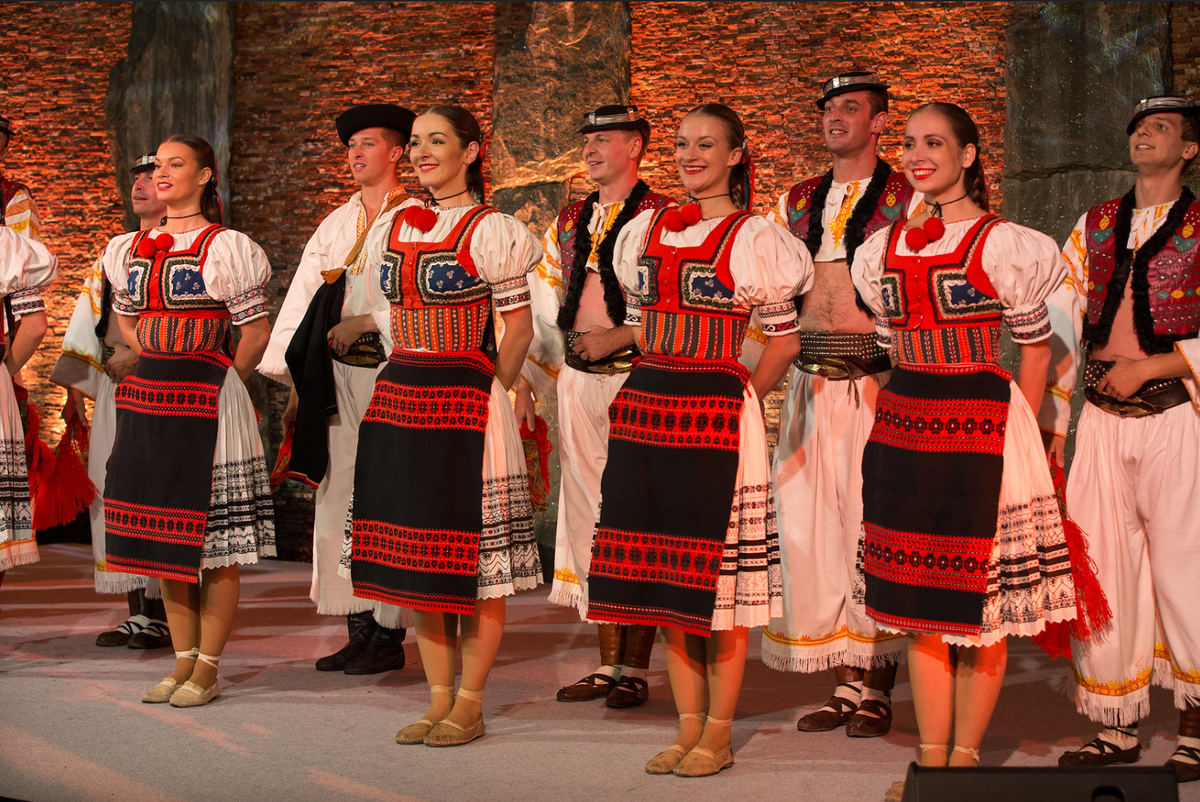
Slovakia is a country where traditions are not just preserved in museums but lived every day. Among its most vibrant cultural treasures are folk dance and music, which continue to shape festivals, village celebrations, and even modern cultural events. The rhythm of stomping feet, the sound of the fujara echoing through valleys, and the sight of embroidered costumes all tell stories of heritage and community.
This article explores the essence of Slovak folk culture—its instruments, dances, festivals, and the way it connects people across generations. Whether you’re attending a major folklore festival or joining a local workshop, these traditions offer an unforgettable glimpse into the heart of Slovakia.
Why Folk Traditions Still Matter
Unlike in many countries where folk culture feels like a relic, in Slovakia it remains alive and dynamic. You’ll see young people dancing odzemok, hear traditional instruments like the fujara in mountain villages, and watch children sing songs passed down for generations. Folk traditions are woven into weddings, Easter celebrations, and village feasts, making them part of everyday life rather than staged performances.
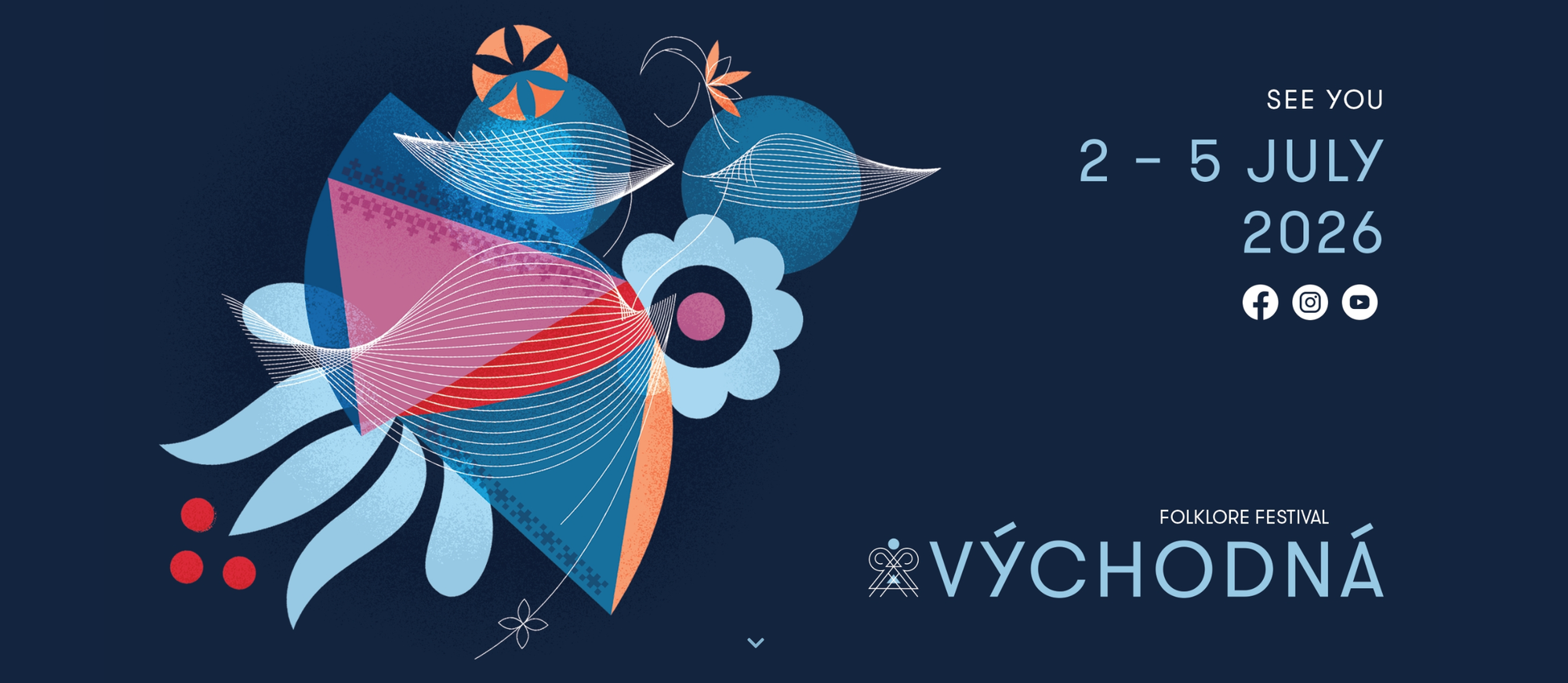
One of the most iconic events is the Východná Folklore Festival, where music, dance, and costumes from across the country come together in a powerful celebration of heritage.
Official website of Východná Folklore Festival
The Sound and Spirit of Folk Culture
Slovak folk music is defined by its unique instruments:
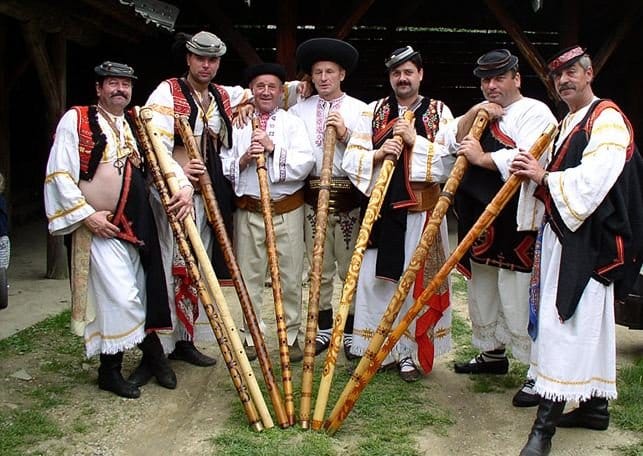
- Fujara – a long shepherd’s flute, haunting and meditative, recognized by UNESCO.
- Gajdy (bagpipes) – bold and spirited, often heard in northern regions.
- Heligónka – a small button accordion, common at village feasts.
- Cimbal – a hammered dulcimer with bright, lively tones.
Equally unforgettable are the dances themselves. Fast-paced circle dances, expressive partner movements, and strong rhythmic footwork create an atmosphere full of energy and joy. Workshops across Slovakia welcome newcomers, making it easy to join in and feel the rhythm.
Where to Experience Folk Traditions
- Východná Folklore Festival – the largest and most famous.
- Detva Festival – outdoor, with crafts, costumes, and food.
- Terchová Music Festival – known for group singing and regional styles.
- Bratislava cultural events – folk performances during city festivals and Christmas markets.
- Village feasts (obecné slávnosti) – intimate, authentic celebrations of local heritage.
Each region has its own flavor, with distinctive costumes (kroje), embroidery, and dance styles that reflect community identity.
Folk Culture as Community
Folk music and dance are not just performances—they are part of daily life. At family gatherings, someone might pick up a heligónka and within seconds everyone joins in singing. Weddings, holidays, and village festivals often feature traditional dances and songs, showing how deeply these traditions connect generations.
The pride and passion are genuine. Slovaks celebrate their heritage not for tourists, but for themselves.
The Heart of Slovak Tradition
Slovak folk dance and music are living traditions that embody the country’s spirit. They are powerful, joyful, and deeply rooted in community life. Experiencing them—whether at a festival, workshop, or village feast—offers a unique window into Slovakia’s cultural heart.


